
Understanding Poultry Gravy Mix
Poultry gravy mix offers a convenient shortcut to a flavorful sauce, perfect for elevating meals like mashed potatoes and pot pies.
McCormick’s blend of spices creates a smooth, lump-free consistency, delivering rich chicken flavor with minimal effort for weeknight dinners.
This pantry staple simplifies gravy preparation, transforming leftovers into comforting dishes such as soups and chicken and dumplings with ease.
What is Poultry Gravy Mix?
Poultry gravy mix is a pre-blended combination of ingredients designed to quickly and easily create a gravy, typically intended to complement poultry dishes like roast chicken or turkey. It’s a convenient pantry staple, offering a time-saving alternative to making gravy entirely from scratch. These mixes generally contain a base of wheat flour, along with seasonings, flavor enhancers, and sometimes, stabilizers to ensure a smooth texture.
The core function of the mix is to provide the thickening agent and foundational flavor profile for the gravy. When combined with liquid – typically water or, for a richer taste, chicken broth – and heated, the mix transforms into a savory sauce. Brands like McCormick offer signature spice blends, aiming for a consistent, lump-free result.
Essentially, it’s a shortcut that delivers a flavorful gravy without the need for extensive simmering and roux preparation, making it ideal for both experienced cooks and those seeking a quick meal solution.
Common Brands Available
Several brands dominate the poultry gravy mix market, each offering slightly different flavor profiles and price points. McCormick is arguably the most recognizable, widely available in most supermarkets and known for its consistent quality and signature spice blends. Simply Gravy provides pre-made gravy pouches, offering ultimate convenience, though not a traditional mix.
Idahoan, primarily known for mashed potatoes, also offers gravy mixes, often bundled with their potato products. Knorr is another popular choice, providing a range of gravy mixes including poultry options, often emphasizing a classic, savory flavor.
Additionally, store brands like Great Value (Walmart) and Kroger offer more budget-friendly alternatives, though ingredient lists and flavor intensity may vary. Sampling at stores like Sam’s Club can introduce you to lesser-known, yet flavorful options, as demonstrated by demo events;
Ingredients Typically Found in Mixes
Poultry gravy mixes generally comprise a base of modified food starch, often corn or wheat-based, providing thickening power. Salt is a primary component, contributing significantly to flavor. Maltodextrin acts as a carrier and adds subtle sweetness, while hydrolyzed vegetable protein (often soy) enhances the savory, umami notes.
Chicken fat or vegetable oil contributes richness, and flavorings, both natural and artificial, mimic the taste of poultry. Spices like pepper, onion powder, and garlic powder are common additions. Concerns arise with ingredients like corn syrup solids, disodium inosinate, and guanylate, used as flavor enhancers.
Hydrolyzed soy protein is also frequently present. Some mixes may include sugar, dextrose, or artificial colors. Consumers seeking cleaner labels should carefully review ingredient lists, as many mixes contain additives some prefer to avoid.

Basic Instructions for Poultry Gravy Mix
Poultry gravy mix simplifies sauce creation; typically, whisk the mix with cold water, then heat and stir until thickened for a quick, flavorful result.
Standard Water-Based Instructions
Creating gravy using water as the base is the most common method for utilizing poultry gravy mix. Begin by measuring the amount of water specified on the package – typically, this is around two cups for a standard packet. Ensure the water is cold, as this helps prevent immediate clumping of the mix.
Gradually whisk the gravy mix into the cold water, ensuring there are no lumps forming. Continue whisking vigorously until the mix is fully incorporated and the water appears cloudy. Once combined, transfer the mixture to a saucepan and place it over medium heat.
Stir constantly as the gravy heats up. It will begin to thicken relatively quickly, usually within a few minutes. Continue stirring until the gravy reaches your desired consistency. Remember that the gravy will thicken further as it cools, so it’s best to remove it from the heat slightly before it reaches your ideal thickness.
Using Broth Instead of Water
Substituting chicken broth for water dramatically enhances the flavor profile of your poultry gravy. The broth introduces a deeper, richer chicken essence that complements the gravy mix beautifully. Use the same quantity of broth as you would water, typically around two cups per packet of mix.
As with water, begin by whisking the gravy mix into the cold broth to prevent clumping. Ensure a smooth incorporation before transferring the mixture to a saucepan. Heat over medium heat, stirring constantly.
Because broth already possesses flavor, you may find you need less seasoning afterward. Monitor the gravy’s consistency closely; broth can sometimes lead to a slightly thinner gravy than water, so adjust cooking time accordingly. The result is a more nuanced and flavorful gravy, perfect for elevating your meal.
Adjusting for Desired Thickness
Achieving the perfect gravy consistency is easily managed with a few simple techniques. If the gravy is too thin, continue simmering it over medium heat, stirring constantly, to allow excess liquid to evaporate. Add a slurry of one tablespoon of cornstarch mixed with two tablespoons of cold water for quicker thickening.
Conversely, if the gravy becomes too thick, gradually whisk in small amounts of warm water or broth until the desired consistency is reached. Avoid adding large quantities at once to prevent over-thinning.
Remember that the gravy will continue to thicken slightly as it cools, so err on the side of slightly thinner while it’s hot. Consistent stirring is key throughout the process to ensure a smooth, lump-free result.

Enhancing the Flavor
Elevate your gravy by incorporating herbs like chives, or enriching it with half and half or cream for a luxurious texture.
Kitchen Bouquet adds a beautiful, golden color, enhancing the visual appeal and overall deliciousness of your poultry gravy.
Adding Herbs and Spices
Transforming a simple poultry gravy mix into something truly special is easily achieved with the addition of carefully selected herbs and spices. While the mix provides a foundational flavor, layering in complementary seasonings elevates the final result significantly.
Chopped chives, as demonstrated in a successful recreation of package instructions, offer a mild oniony freshness that pairs beautifully with chicken. Consider experimenting with other herbs like thyme, rosemary, or sage, adjusting quantities to suit your personal preference. A pinch of black pepper, or even a dash of paprika, can add depth and warmth.
Don’t be afraid to get creative! Garlic powder or onion powder can boost the savory notes, while a hint of poultry seasoning reinforces the chicken flavor. Remember to add spices gradually, tasting as you go, to ensure a balanced and harmonious blend.
Using Half and Half or Cream
For a richer, more luxurious gravy, substituting some or all of the water or broth with half and half or cream is a fantastic technique. This addition significantly enhances the gravy’s texture, creating a velvety smooth consistency and a decadent mouthfeel.
As highlighted in a successful recipe adaptation, incorporating half and half transforms the gravy from standard to exceptionally creamy. Begin by replacing a portion of the liquid called for in the instructions with an equal amount of half and half. For an even more indulgent experience, use heavy cream, but be mindful of its higher fat content.
Remember to stir frequently while using dairy, as it’s more prone to scorching. Adjust seasoning accordingly, as dairy can slightly mellow the overall flavor profile. This simple swap elevates poultry gravy to a truly comforting and satisfying accompaniment.
Kitchen Bouquet for Color Enhancement
Achieving a visually appealing gravy is almost as important as its taste, and Kitchen Bouquet proves to be a valuable tool in this regard. Often, gravy made from a mix can appear pale or lackluster, lacking the rich, golden-brown hue we associate with a perfectly prepared sauce.
A few drops of Kitchen Bouquet, a concentrated browning sauce, can dramatically improve the gravy’s color, making it look more appetizing and homemade. As demonstrated in a successful recipe recreation, adding Kitchen Bouquet provides an enhanced visual appeal, mimicking the color of a traditionally made gravy.
Use it sparingly, as a little goes a long way; start with just a drop or two and add more until the desired shade is achieved. Remember to stir thoroughly to ensure even distribution and a consistent color throughout the gravy.

Troubleshooting Common Issues
Addressing gravy imperfections is simple! Lumps, thinness, or excessive thickness can easily be corrected with adjustments to liquid, heat, and stirring techniques.
Consistent stirring prevents lumps, while adding more mix thickens, and water thins the gravy to your desired consistency.
Lumpy Gravy – Causes and Solutions
Lumpy gravy is a common frustration, but easily remedied! The primary cause is usually insufficient stirring during the initial mixing of the gravy mix with liquid – water or broth.
When the powder isn’t fully dispersed, it clumps together as it hydrates, resulting in those unwanted lumps. Another culprit can be adding the liquid too quickly, overwhelming the mix’s ability to incorporate smoothly.
Fortunately, several solutions exist! For minor lumps, vigorous whisking can often break them down. If that fails, strain the gravy through a fine-mesh sieve to remove the lumps entirely.
A more proactive approach is to gradually add the liquid while continuously whisking, ensuring the mix fully dissolves before increasing the heat. Low and slow is key! Avoid high heat initially, as it can exacerbate lump formation. Remember, patience and consistent stirring are your allies in achieving a perfectly smooth gravy.
Gravy Too Thin
Thin gravy can be disappointing, but easily corrected! The most frequent cause is using too much liquid – whether water or broth – relative to the amount of gravy mix. Carefully measuring ingredients is crucial for achieving the desired consistency.
Another factor could be insufficient cooking time. Gravy thickens as it simmers, allowing the starch in the mix to fully gelatinize. If you’ve rushed the process, it may not have reached its full thickening potential.
To rescue thin gravy, create a slurry by mixing a tablespoon of gravy mix with two tablespoons of cold water. Whisk this into the simmering gravy and continue cooking for a few minutes, stirring constantly, until thickened. Alternatively, a cornstarch slurry can be used.
Remember to add the slurry gradually, as it’s easier to add more thickening agent than to remove it!
Gravy Too Thick
Thick gravy, while preferable to thin gravy, can also be problematic. Often, this occurs from using too little liquid during the initial preparation, or overdoing it with any thickening agents added to correct thinness. Careful measurement is key to avoiding this issue.
Another cause could be prolonged simmering, leading to excessive starch gelatinization and a paste-like consistency. While simmering is necessary, monitoring the gravy’s thickness is vital.
To thin out overly thick gravy, gradually whisk in small amounts of warm water or broth until the desired consistency is reached. Avoid adding cold liquid, as this can cause lumps.
Stir continuously while adding liquid to ensure a smooth texture. Remember, it’s easier to add more liquid than to remove it, so proceed cautiously!
Beyond the Basics: Creative Uses
Poultry gravy isn’t limited to mashed potatoes! Enhance pot pies, create flavorful soup bases, or transform leftover chicken into comforting chicken and dumplings.
Its versatility extends to various dishes, adding a rich, savory element to everyday meals and elevating simple recipes.
Gravy for Mashed Potatoes
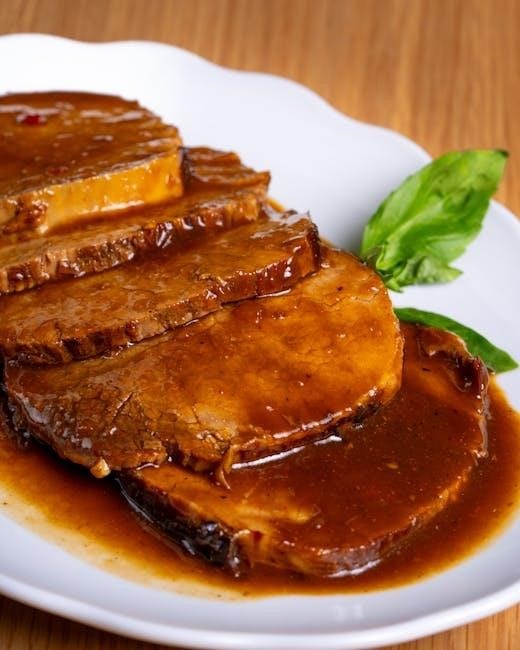
Poultry gravy and mashed potatoes represent a classic pairing, a comforting duo that elevates any meal. The rich, savory flavor of the gravy perfectly complements the fluffy texture of the potatoes, creating a harmonious blend that’s both satisfying and delicious.
Using a poultry gravy mix simplifies this process, offering a quick and easy way to achieve restaurant-quality results at home. Simply prepare the gravy according to package directions, perhaps enhancing it with chicken broth for a deeper flavor profile and a touch of half and half for added creaminess.

Don’t hesitate to experiment with additions like chopped chives or a dash of Kitchen Bouquet for a visually appealing, golden-brown hue. Generously ladle the warm gravy over a mound of freshly made mashed potatoes, and experience a truly comforting and flavorful experience. It’s a simple pleasure that never fails to delight!
Using Gravy in Pot Pies
Poultry gravy mix serves as an exceptional base for creating comforting and flavorful pot pies, transforming a simple dish into a hearty and satisfying meal. Its rich chicken flavor infuses the filling, complementing the tender vegetables and flaky crust beautifully.
Instead of starting from scratch, utilizing a pre-made mix streamlines the process, saving valuable time in the kitchen. Prepare the gravy according to package instructions, adjusting the consistency as needed to achieve the perfect thickness for your pot pie filling.
Combine the gravy with cooked chicken, mixed vegetables, and your preferred seasonings, then pour the mixture into a pie dish and top with a pie crust. Baking until golden brown results in a warm, comforting pot pie that’s sure to become a family favorite. It’s a convenient and delicious way to enjoy a classic comfort food!
Gravy as a Base for Soups
Poultry gravy mix offers a surprisingly versatile foundation for crafting delicious and comforting soups, adding depth of flavor and a creamy texture. It’s a fantastic shortcut for busy weeknights, eliminating the need for lengthy roux preparations or stock reductions.
Simply prepare the gravy according to package directions, then whisk in additional broth – chicken or vegetable work wonderfully – to reach your desired soup consistency. Incorporate cooked chicken, vegetables, noodles, or rice to create a hearty and filling soup.
Season to taste with herbs, spices, and a touch of cream or half-and-half for added richness. This method allows for quick and easy soup creation, transforming a simple gravy mix into a satisfying and flavorful meal. Experiment with different additions to customize your soup!
Making Your Own Mix (Alternative)
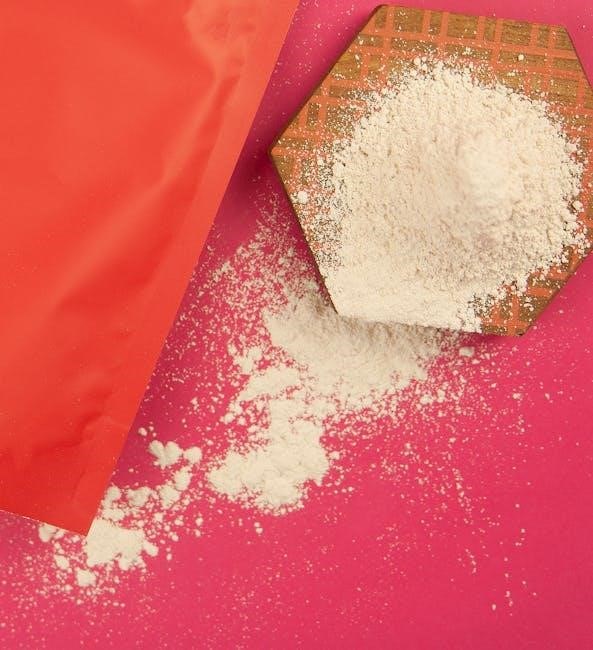
Creating a homemade poultry gravy mix allows control over ingredients, avoiding additives like corn syrup solids and hydrolyzed soy, ensuring a fresher flavor.
This simple make-ahead option delivers fast, lump-free, delicious gravy in under three minutes, offering a healthier and customizable alternative.
Benefits of Homemade Mix
Crafting your own poultry gravy mix unlocks a world of advantages over store-bought varieties, primarily centered around ingredient control and quality. Commercial mixes often contain questionable additives like corn syrup solids, disodium inosinate, guanylate, and hydrolyzed soy – ingredients many home cooks prefer to avoid.
By taking the DIY route, you dictate precisely what goes into your gravy, ensuring a cleaner, more natural flavor profile. This is particularly beneficial for individuals with dietary restrictions or sensitivities. Furthermore, a homemade mix allows for customization; you can adjust the seasoning blend to perfectly match your palate, creating a gravy uniquely tailored to your tastes.
Beyond health and flavor, making your own mix is often more economical in the long run, and provides the satisfaction of creating something from scratch. It’s a simple process that yields a pantry staple ready for quick and delicious gravy whenever needed, offering convenience without compromise.
Recipe for Homemade Poultry Gravy Mix
To create a simple, make-ahead poultry gravy mix, you’ll need ¼ cup all-purpose flour, 2 teaspoons chicken bouillon granules, 1 teaspoon poultry seasoning, ½ teaspoon garlic powder, ¼ teaspoon onion powder, and a pinch of black pepper. Combine all ingredients in a bowl and whisk thoroughly to ensure even distribution.
For a richer flavor, consider adding a dash of paprika or a pinch of dried thyme. Store the mix in an airtight container in a cool, dry place. To use, whisk 2 tablespoons of the mix with 2 cups of cold water or, preferably, chicken broth. Bring to a simmer over medium heat, stirring constantly, until thickened – typically within 3 minutes.
Adjust the liquid amount for desired consistency. This yields a quick, lump-free, and flavorful gravy, ready to enhance any meal, offering a healthier alternative to store-bought options.
Storage of Homemade Mix
Proper storage is crucial to maintain the potency and freshness of your homemade poultry gravy mix. After thoroughly combining all ingredients – flour, bouillon, seasonings – transfer the mix to an airtight container. Glass jars with tight-fitting lids or resealable plastic containers work exceptionally well.
Store the container in a cool, dark, and dry place, such as a pantry or cupboard, away from direct sunlight and moisture. Avoid storing near the stove or dishwasher, as heat and humidity can cause clumping or diminish the flavor.
When stored correctly, homemade gravy mix can retain its quality for up to 6 months. Label the container with the date of creation for easy reference, ensuring optimal flavor when you’re ready to create a delicious gravy!
Nutritional Information & Considerations
Poultry gravy mixes can contain ingredients like corn syrup solids, hydrolyzed soy, and flavor enhancers; mindful consumption is advised.
Typical nutritional values vary, but mixes generally provide sodium and carbohydrates, with minimal protein or fiber content.
Allergen information should be carefully reviewed, as mixes may contain soy or wheat derivatives.
Typical Nutritional Values
Poultry gravy mixes, while convenient, often present a nutritional profile that warrants consideration. A standard serving, typically around 1-2 tablespoons prepared, generally contains approximately 25-50 calories. The majority of these calories stem from fats, often around 2-4 grams per serving, though this can fluctuate based on the specific brand and whether broth or half-and-half is utilized during preparation.
Sodium content is notably high, frequently exceeding 300-600 milligrams per serving, contributing significantly to daily intake. Carbohydrates usually range from 3-6 grams, primarily sourced from starches and added sugars like corn syrup solids. Protein and fiber content are minimal, typically less than 1 gram each, offering limited nutritional benefit beyond flavor enhancement.
It’s crucial to remember these values are estimates and can vary. Always consult the specific nutrition facts label on the packaging for the most accurate information regarding your chosen poultry gravy mix.
Ingredient Concerns (Corn Syrup Solids, etc.)
Poultry gravy mixes frequently contain ingredients that raise concerns for health-conscious consumers; Corn syrup solids, a common addition, act as a thickener and sweetener, but contribute empty calories and may impact blood sugar levels. Disodium inosinate and guanylate, flavor enhancers, are often used to mimic savory tastes, yet offer no nutritional value and some individuals may experience sensitivities.
Hydrolyzed soy protein, another prevalent ingredient, can be problematic for those with soy allergies or sensitivities. While intended to enhance flavor, its processing raises questions about potential allergenicity. Artificial colors and flavors are also sometimes present, which some prefer to avoid due to potential health implications.
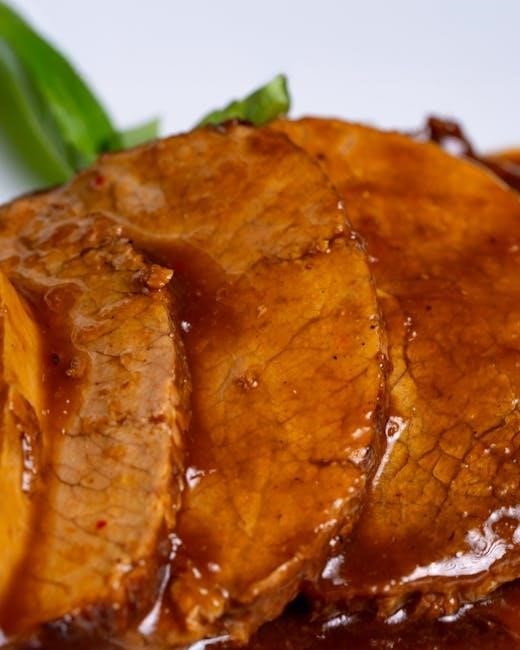
These additives highlight the benefits of exploring homemade gravy mix options, allowing for greater control over ingredient quality and nutritional content, avoiding potentially undesirable components.
Allergen Information
Poultry gravy mixes can pose risks for individuals with specific allergies. Wheat is a common ingredient, making these mixes unsuitable for those with gluten intolerance or celiac disease. Soy, often present in hydrolyzed soy protein or as a component of other additives, is a significant allergen for many.
Dairy derivatives, such as milk solids, may be included, necessitating caution for those with lactose intolerance or dairy allergies. Some mixes may also contain traces of other allergens due to shared manufacturing facilities, including eggs, peanuts, or tree nuts.
Careful label reading is crucial to identify potential allergens before consumption. Individuals with known sensitivities should prioritize homemade gravy mixes to ensure complete control over ingredients and minimize the risk of allergic reactions.