Chainsaw Guide: A Comprehensive Overview (Updated 04/09/2026)
This guide provides essential information on chainsaw use, safety, maintenance, and techniques, referencing recent data from 2018-2022 regarding nearly 130,000 ER visits․
Chainsaws are powerful, versatile tools widely used in forestry, landscaping, construction, and even for home use like firewood preparation․ Despite their utility, they present significant safety risks, as evidenced by nearly 130,000 emergency room visits in the US between 2018 and 2022․ Understanding a chainsaw’s capabilities and limitations is crucial before operation․
These machines rapidly cut through wood using a rotating chain with teeth․ Proper handling requires respect for their ferocity and adherence to strict safety protocols․ Whether you’re a seasoned professional or a first-time user, this guide will cover everything from selecting the right chainsaw type to mastering essential cutting techniques and performing routine maintenance․
This overview, updated as of today, April 9th, 2026, aims to equip you with the knowledge needed to operate a chainsaw safely and effectively, minimizing the risk of injury․
Types of Chainsaws
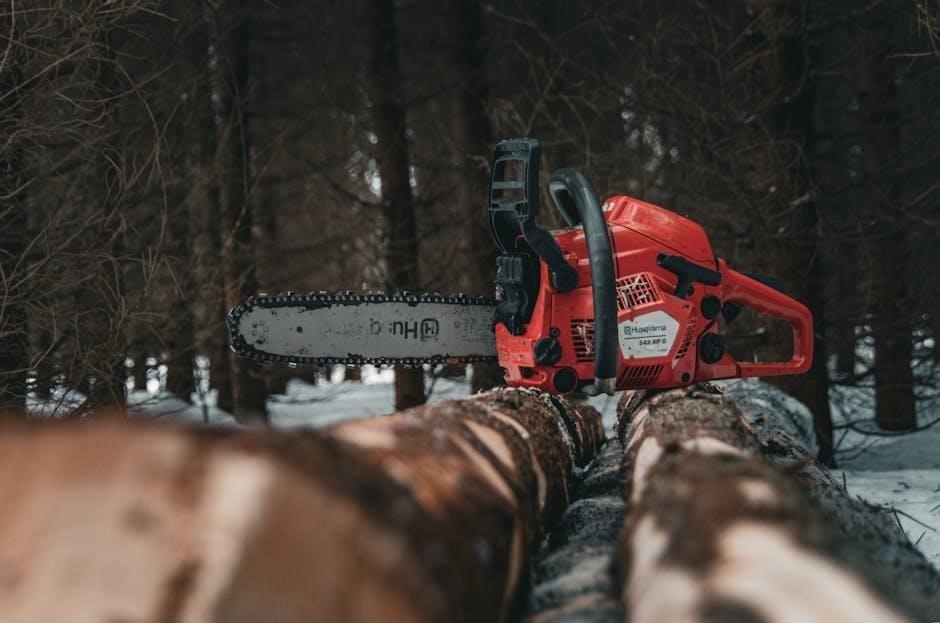
Chainsaws broadly fall into two main categories: gas-powered and electric․ Gas-powered chainsaws, known for their power and runtime, are ideal for heavy-duty tasks like felling large trees․ They require fuel mixing and more maintenance but offer greater portability․ Electric chainsaws provide a cleaner, quieter alternative, with two sub-types: corded and cordless․
Corded electric chainsaws are suitable for lighter tasks near a power source, while cordless models offer freedom of movement thanks to battery technology․ However, cordless runtimes are limited by battery capacity․ Choosing the right type depends on your needs; consider the frequency of use, the size of the wood you’ll be cutting, and your comfort level with maintenance․
Gas-Powered Chainsaws
Gas-powered chainsaws deliver substantial power, making them the preferred choice for demanding jobs like felling trees and processing large amounts of firewood․ These saws utilize a two-stroke or four-stroke engine, requiring a precise fuel mixture of gasoline and oil․ Regular maintenance, including air filter cleaning and spark plug replacement, is crucial for optimal performance․
While offering unmatched portability due to their self-contained power source, gas chainsaws are heavier and produce more noise and emissions than electric models․ They are available in various sizes, from homeowner-grade to professional-grade, differing in engine displacement and bar length․ Understanding these factors is key to selecting the appropriate tool for your specific needs․
Electric Chainsaws (Corded & Cordless)
Electric chainsaws offer a quieter and more environmentally friendly alternative to gas-powered models․ They come in two main types: corded and cordless․ Corded electric chainsaws provide consistent power but limit mobility due to the need for a power outlet․ Cordless chainsaws, powered by rechargeable batteries, offer greater freedom of movement, ideal for smaller properties or remote locations․
While generally less powerful than their gas counterparts, modern electric chainsaws are capable of handling many common tasks, such as pruning and light felling․ They require less maintenance, lacking the carburetor and fuel system of gas saws․ Battery life and charging time are important considerations when choosing a cordless model․
Chainsaw Safety: Preventing Injuries
Chainsaw operation demands unwavering respect for safety protocols․ These powerful tools are inherently dangerous, with nearly 130,000 emergency room visits reported in the US between 2018 and 2022․ Understanding and mitigating risks is paramount․ Never underestimate the ferocity of a chainsaw’s cutting action․ Proper training and adherence to manufacturer guidelines are crucial first steps․
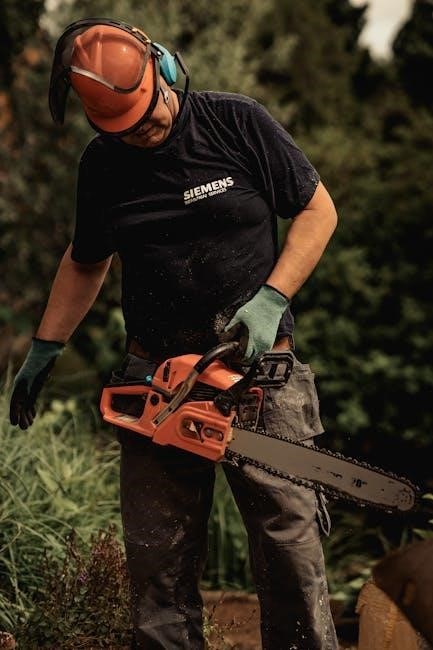
Beyond training, consistent use of appropriate Personal Protective Equipment (PPE) is non-negotiable․ This includes, but isn’t limited to, a helmet, eye protection, hearing protection, gloves, chaps, and sturdy boots․ Maintaining situational awareness and avoiding fatigue are also vital components of safe chainsaw use․
Essential Personal Protective Equipment (PPE)
Prioritizing Personal Protective Equipment (PPE) is fundamental to chainsaw safety, given the high risk of injury – nearly 130,000 ER visits occurred between 2018-2022․ A properly fitted helmet with a face shield or safety glasses is essential to protect against falling debris․ Hearing protection, such as earmuffs, safeguards against the chainsaw’s loud noise․
Heavy-duty, cut-resistant gloves enhance grip and offer hand protection․ Specialized chainsaw chaps are critical, designed to stop the chain upon contact․ Sturdy, steel-toed boots provide foot protection․ Remember, even seemingly minor tasks warrant full PPE; complacency can lead to severe consequences․ Investing in quality PPE is investing in your well-being․
Understanding Chainsaw Components
A chainsaw’s functionality relies on the interplay of several key components․ The engine, whether gas-powered or electric, provides the power․ The fuel system (for gas models) delivers the necessary air and fuel mixture․ The drive system transfers power to the chain․ The chainsaw chain itself, running along the guide bar, performs the cutting action․
The guide bar supports the chain and dictates the cutting length․ Crucially, the chain brake is a safety feature designed to quickly stop the chain․ Understanding these components – and how they interact – is vital for safe operation and effective maintenance․ Regular inspection of each part ensures optimal performance and minimizes risk․
The Chainsaw Engine & Fuel System
The engine is the heart of a gas-powered chainsaw, typically a small, two-stroke internal combustion engine․ These engines deliver a high power-to-weight ratio, ideal for demanding cutting tasks․ The fuel system mixes gasoline with oil, providing lubrication for the engine’s internal parts․ Proper fuel mixture is critical; incorrect ratios can lead to engine damage or poor performance․
Carburetors regulate the air-fuel mixture, while fuel filters prevent debris from entering the engine․ Modern chainsaws may feature electronically controlled fuel injection for improved efficiency․ Maintaining a clean fuel system, using fresh fuel, and adhering to manufacturer’s specifications are essential for reliable operation․
The Chainsaw Chain & Bar
The chainsaw chain is a crucial component, responsible for the actual cutting․ It consists of interconnected links with cutting teeth, designed to ride along the guide bar․ The bar itself provides a track for the chain and must be properly maintained to ensure smooth operation and prevent kickback․
Chain pitch (distance between teeth) and gauge (thickness of the drive links) must match the bar’s specifications․ Regular sharpening is vital for efficient cutting, while proper tension prevents derailment․ Bar lubrication is also essential, reducing friction and extending both chain and bar life․ Inspecting for wear and damage is paramount for safety․
Chainsaw Maintenance: Keeping Your Tool Sharp
Consistent chainsaw maintenance is paramount for safety, performance, and longevity․ This extends beyond simply fueling the engine; it encompasses regular inspections and proactive care of all components․ A dull chain requires more force, increasing the risk of kickback and user fatigue․ Sharpening techniques, whether manual or with an electric grinder, must be learned and practiced diligently․
Beyond the chain, the bar needs cleaning and occasional dressing to remove accumulated pitch and debris․ Air filters should be checked and cleaned or replaced as needed․ Proper storage, especially during off-seasons, prevents corrosion and ensures quick readiness when required․
Chain Sharpening Techniques
Maintaining a sharp chain is crucial for efficient and safe chainsaw operation․ Several techniques exist, ranging from manual filing with a round file and guide to utilizing electric chain sharpeners․ Manual sharpening demands precision, maintaining the correct filing angle and depth gauge for each tooth․ Consistency is key; uneven sharpening leads to imbalanced cutting․
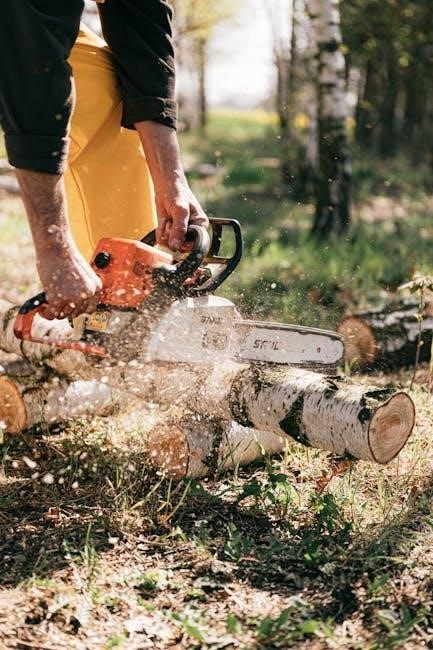
Electric sharpeners offer speed and convenience, but require careful attention to avoid overheating the chain and altering its profile incorrectly․ Regularly checking the raker depth and filing accordingly ensures optimal performance․ Remember, a properly sharpened chain significantly reduces user effort and kickback potential․
Bar Maintenance and Cleaning
Consistent bar maintenance extends its lifespan and ensures smooth chain operation․ Regularly cleaning the bar groove removes accumulated sawdust and debris, preventing binding and premature wear․ Inspect the bar rails for burrs or damage, filing them smooth to maintain proper chain alignment․ Lubrication is paramount; ensure the bar oiler functions correctly, delivering sufficient oil to the chain and bar during use․
Periodically check the bar for straightness; a bent bar compromises cutting accuracy and increases the risk of chain derailment․ Rotating the bar during use promotes even wear․ Proper cleaning and lubrication, coupled with regular inspections, contribute significantly to chainsaw performance and safety․
Starting a Chainsaw: A Step-by-Step Guide
Successfully starting a chainsaw requires a methodical approach prioritizing safety․ First, ensure the chain brake is engaged and the chainsaw is placed on a firm, level surface․ Check fuel and oil levels, then prime the fuel bulb several times․ Engage the choke, especially for cold starts, and position your foot firmly on the rear handle․
Pull the starter cord with a smooth, controlled motion – avoid jerking․ Once the engine sputters, disengage the choke and continue pulling until it starts․ Allow the engine to warm up before use․ Always maintain a secure grip and be aware of the chain’s potential movement․
Basic Chainsaw Cutting Techniques
Mastering fundamental cutting techniques is crucial for safe and efficient chainsaw operation․ When felling small trees, create a notch on the side you want the tree to fall towards, followed by a back cut slightly higher․ For limbing, stand on the opposite side of the branch being removed, using controlled cuts․
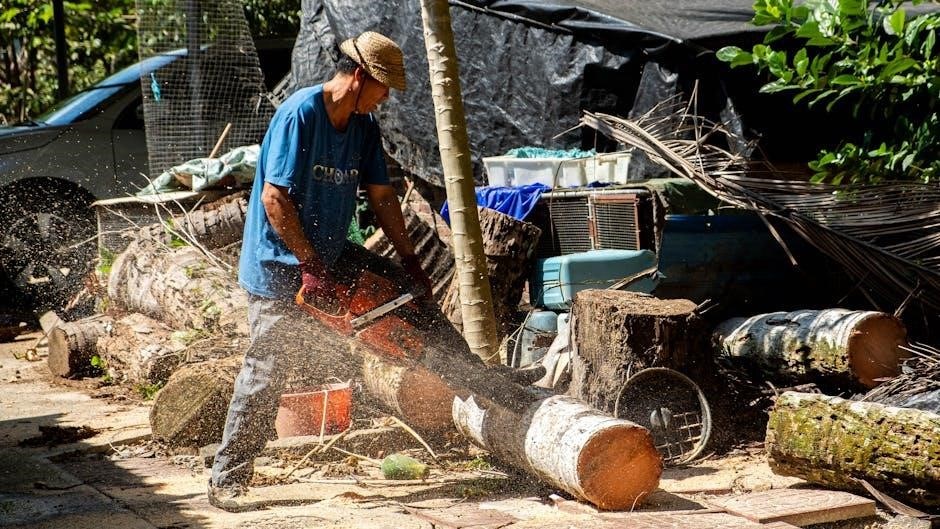
Bucking – cutting logs into lengths – requires careful consideration of log support to prevent pinching the bar․ Always maintain a stable stance and avoid overreaching․ Utilize proper body positioning and let the chainsaw do the work, avoiding excessive force․ Remember, safety is paramount in every cut․
Felling Small Trees
Felling smaller trees demands a methodical approach prioritizing safety and control․ Begin by assessing the tree’s lean and potential falling direction, clearing the surrounding area of obstacles․ Create a precise notch – typically a 45-degree angle – on the side you intend for the tree to fall․
Subsequently, execute a back cut, positioned slightly above the notch’s base, leaving a hinge of uncut wood․ This hinge guides the fall․ Utilize wedges if necessary to influence the direction․ Always have a clear escape path planned at a 45-degree angle away from the anticipated fall line, and be aware of wind conditions․
Limbing and Bucking
Limbing, the removal of branches from a felled tree, requires careful technique to avoid kickback and maintain balance․ Start from the base of the tree, working upwards, and always position yourself on the opposite side of the branch being cut․
Bucking – cutting the trunk into manageable lengths – necessitates assessing tension and compression within the wood․ Avoid pinching the bar by making relief cuts․ Support longer sections to prevent binding․ Prioritize safety by ensuring a stable stance and maintaining a firm grip on the chainsaw․ Remember, these powerful tools demand respect and caution․
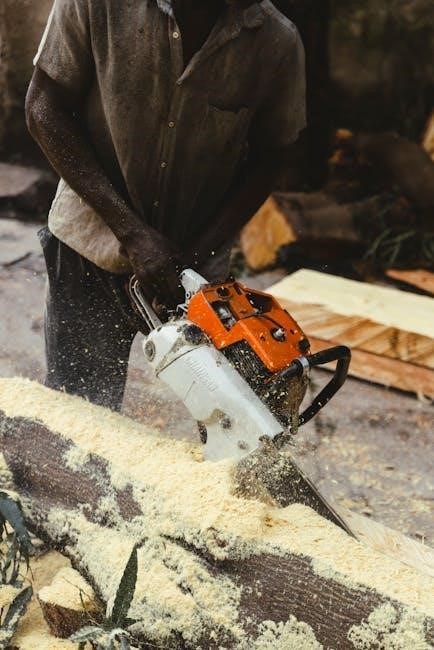
Advanced Chainsaw Techniques (Caution Advised)
Advanced techniques, such as bore cutting and directional felling, demand extensive training and experience․ These methods involve complex cuts to control the fall of a tree, requiring precise calculations of weight distribution and potential hazards․ Improper execution can lead to severe injury or property damage․
Never attempt these techniques without professional instruction․ Understanding wood anatomy, tension, and compression is crucial․ Always prioritize safety, utilizing appropriate personal protective equipment and maintaining a clear work area․ Remember, the ferocity of a chainsaw necessitates extreme caution and respect for its power․
Troubleshooting Common Chainsaw Problems
Addressing chainsaw issues promptly ensures continued safe operation․ A frequent problem is a chainsaw failing to start, often due to fuel issues – stale fuel, a clogged carburetor, or a faulty spark plug․ Another common issue is the chain breaking frequently, indicating dullness, improper tension, or incorrect chain type․

Regular maintenance minimizes these occurrences․ Inspect the fuel lines and air filter, and ensure the spark plug is clean․ Always sharpen and properly tension the chain․ If problems persist, consult a qualified technician; attempting complex repairs without expertise can be dangerous and void warranties․
Chainsaw Won’t Start
A chainsaw refusing to start is a common frustration, often stemming from a few key issues․ First, check the fuel – stale fuel is a primary culprit․ Drain old fuel and replace it with a fresh mix․ Next, inspect the spark plug; a fouled or damaged plug won’t ignite the fuel․ Clean or replace it as needed․
A clogged carburetor is another frequent cause․ Disassemble and clean it thoroughly․ Ensure the choke is functioning correctly, and the air filter isn’t obstructed․ Finally, verify the kill switch is in the ‘run’ position․ If these steps fail, professional servicing may be required․
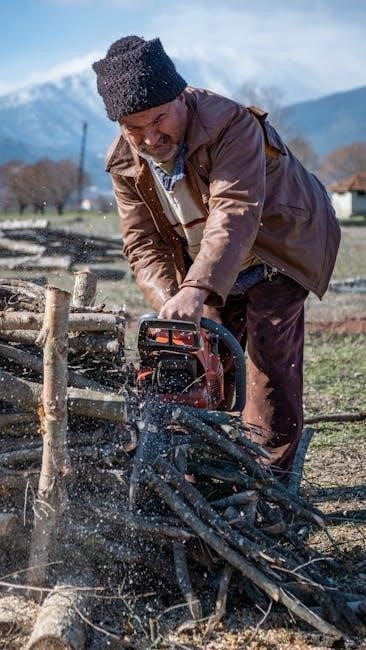
Chain Breaks Frequently
Frequent chain breakage signals underlying issues demanding immediate attention․ A dull chain is a primary cause; sharpening is crucial for efficient cutting and reduced stress․ Incorrect chain tension is another frequent culprit – too tight or too loose increases the risk of snapping․ Adjust tension according to the manufacturer’s specifications․
Ensure the bar is properly lubricated; insufficient oil leads to excessive friction and heat․ Inspect the chain for damage, such as worn or cracked links, and replace it if necessary․ Avoid forcing the chainsaw through tough wood, as this puts undue strain on the chain․
Chainsaw Storage and Transportation
Proper storage and transport are vital for chainsaw longevity and safety․ Before long-term storage, drain the fuel tank completely to prevent carburetor issues and fuel degradation․ Clean the chainsaw thoroughly, removing sawdust and debris․ Store it in a dry, secure location, inaccessible to children and unauthorized users․
When transporting, always engage the chain brake and use a scabbard to cover the bar and chain․ Secure the chainsaw properly in a vehicle to prevent movement during transit․ Never transport a running chainsaw, and be mindful of fuel spillage․ Consider a dedicated chainsaw carrying case for added protection․

Chainsaw Alternatives for Small Jobs
For smaller tasks, consider alternatives to a chainsaw to enhance safety and efficiency․ Hand saws, like pruning saws or bow saws, are excellent for branches and smaller diameter wood․ These require more physical effort but offer greater control and reduced risk of injury․

Loppers and pruning shears are ideal for trimming smaller branches and shrubs․ For quick cuts in softer wood, reciprocating saws with wood-cutting blades can be effective․ Evaluate the job’s scope; a chainsaw’s power isn’t always necessary, and choosing the right tool minimizes potential hazards․
Recent Chainsaw Injury Statistics (2018-2022)
Data reveals a concerning trend in chainsaw-related injuries across the United States․ Between 2018 and 2022, nearly 130,000 emergency room (ER) visits were reported due to chainsaw accidents․ This highlights the inherent dangers associated with operating these powerful tools, even for experienced users․
These injuries range from minor cuts and lacerations to severe trauma, including amputations․ A significant portion of incidents occur during winter months, potentially linked to increased firewood cutting․ Understanding these statistics underscores the critical importance of prioritizing safety protocols, proper training, and utilizing appropriate personal protective equipment (PPE) when operating a chainsaw․
Best Chainsaw Deals & Sales (Spring 2026)
Spring 2026 presents excellent opportunities to acquire a chainsaw at a reduced price․ Amazon’s Big Spring Sale, running now, features over 100 editor-approved deals, potentially including significant discounts on various chainsaw models․ Popular Science highlights this event as a prime time for purchasing tools․
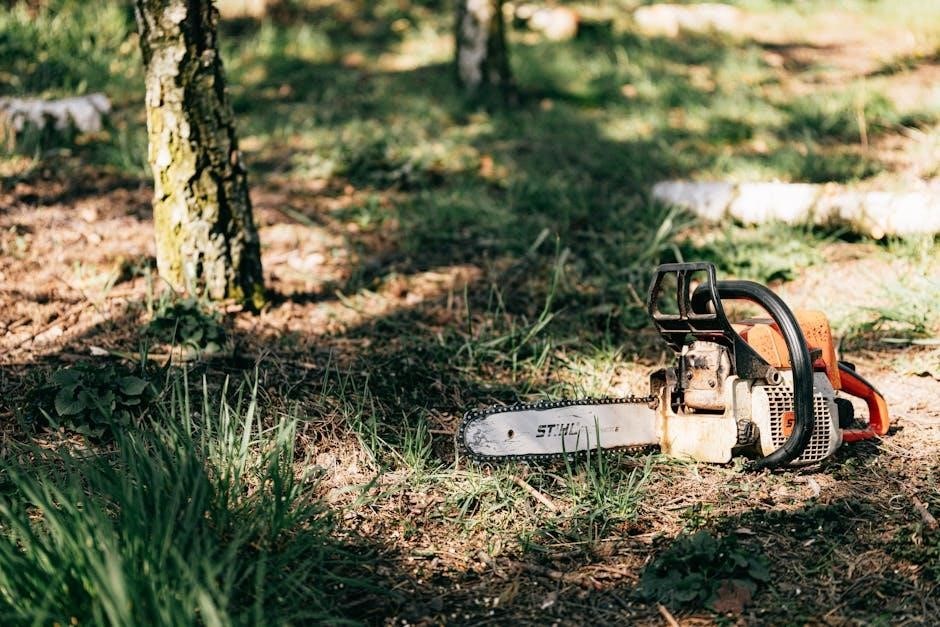
Retailers are clearing out inventory to make way for summer products, leading to competitive pricing on both gas-powered and electric chainsaws․ Expect to find deals on combo kits including safety gear and maintenance supplies․ Regularly check major hardware stores and online marketplaces for limited-time offers and promotional codes to maximize savings․
Resources for Further Chainsaw Education
Expanding your knowledge beyond this guide is crucial for safe and effective chainsaw operation․ Penn State’s College of Agricultural Sciences offers valuable insights into preventing chainsaw injuries, emphasizing the importance of proper technique and awareness․
Numerous online resources, including manufacturer websites and forestry associations, provide detailed manuals, safety videos, and training programs․ Consider enrolling in a hands-on chainsaw safety course offered by local arborists or vocational schools․ These courses cover everything from basic operation to advanced felling techniques․ Prioritize continuous learning to stay updated on best practices and safety regulations․