Horse Blanket Size Guide: A Comprehensive Overview (Updated 12/14/2025)
Navigating horse blanket sizing requires understanding measurements, brand variations, and style-specific fits, ensuring optimal comfort and protection for your equine companion throughout the year․
Understanding the Importance of Correct Blanket Sizing
Proper horse blanket sizing isn’t merely about keeping your horse warm; it’s fundamentally linked to their comfort, health, and safety․ A correctly fitted blanket allows for full range of motion, preventing rubs and sores caused by friction․ Ill-fitting blankets can lead to pressure points, restricting movement and potentially causing discomfort or even injury․
Furthermore, a secure fit prevents the blanket from slipping, which can be dangerous, especially during turnout․ Selecting the right size ensures adequate coverage, protecting against the elements – rain, wind, and snow․ Considering layering options also impacts sizing; a blanket used over others needs to accommodate the added bulk․ Ultimately, accurate sizing contributes to a happier, healthier horse․
Why Proper Fit Matters: Comfort and Safety
A well-fitted blanket is crucial for a horse’s well-being, directly impacting their comfort and safety․ Incorrect sizing can cause significant rubbing, leading to painful sores, particularly around the shoulders and withers․ A blanket that’s too tight restricts movement, hindering natural behaviors like grazing and rolling, causing stress․
Conversely, a loose blanket poses a slipping hazard, potentially frightening the horse or even causing entanglement․ Proper fit ensures the blanket stays securely in place, providing consistent protection from the elements․ Prioritizing fit minimizes the risk of injury and maximizes the horse’s ability to enjoy turnout and remain comfortable in varying weather conditions․
Horse Measurement Basics
Accurate measurements are the foundation of proper blanket sizing․ You’ll need a flexible measuring tape and an assistant for best results․ Begin by measuring the horse’s body length from the center of the chest to the tailhead, along the barrel․ Next, determine the girth (chest circumference) by wrapping the tape around the widest part of the chest, behind the front legs․
Finally, consider neck measurements, as blanket fit can vary based on neck shape and size․ Note any unique conformation, like sloping shoulders or high withers, as these will influence the ideal blanket fit․ Consistent, precise measurements are essential for selecting the correct blanket size․
Taking Accurate Measurements: Length
To measure length, position the measuring tape at the horse’s shoulder point – where the neck joins the body․ Extend the tape straight back to the point of the buttock, ensuring it follows the horse’s barrel and doesn’t curve up or down․ Have an assistant help maintain a straight line․
Record this measurement in inches․ It’s crucial to measure while the horse is standing squarely․ Round up to the nearest inch if the measurement falls between sizes․ Remember, the blanket should ideally be slightly larger than the saddle to provide ample coverage and protection․
Measuring the Girth (Chest Circumference)
The girth measurement, or chest circumference, is taken around the widest part of the horse’s chest, typically just behind the front legs․ Ensure the tape measure is snug but not tight, allowing for a comfortable fit․ It’s best to have an assistant help maintain the tape’s position․
Record the measurement in inches․ This measurement is vital for ensuring the blanket doesn’t rub or cause sores․ A properly fitted blanket allows for adequate shoulder movement․ Combine this girth measurement with the length measurement for accurate sizing, consulting brand-specific charts for optimal results․
Neck Measurement Considerations
While not always directly used in blanket sizing charts, neck measurement is crucial for blankets with neck covers or those prone to slipping forward․ Measure around the base of the mane, where a typical halter would sit, ensuring a comfortable, not restrictive, fit․
Consider the horse’s neck build – a thicker neck may require a blanket with a larger neck opening or a V-front design․ Variations in neck shape between breeds (stocky Quarter Horses versus leaner Thoroughbreds) impact how a blanket sits․ Proper neck fit prevents rubbing and ensures the blanket stays securely in place during movement․
Standard Horse Blanket Sizing Chart
Generally, horse blankets are measured in inches from the center of the chest to the base of the tail․ Common sizes include 68″, 72″, 76″, 80″, and 84″․ A 72″ blanket typically fits horses measuring 65″ to 71″, while an 84″ blanket suits horses 79″ to 85″․
However, these are guidelines; individual horse conformation significantly impacts the ideal size․ Always prioritize accurate measurements over relying solely on height or breed․ Remember that a slightly larger blanket is preferable to one that’s too tight, especially when layering․ Consult specific brand charts, as sizing can vary․
Common Blanket Sizes: 68″, 72″, 76″, 80″, 84″
A 68″ blanket often fits smaller horses or ponies, while 72″ suits many average-sized breeds․ The 76″ and 80″ sizes are popular choices for larger horses, offering a good balance of coverage and fit; An 84″ blanket is typically reserved for very large horses or those needing extra coverage, potentially for layering․
It’s crucial to remember these are starting points․ A horse’s build – whether stocky like a Quarter Horse or leaner like a Thoroughbred – influences the best fit․ Always measure carefully and consider whether the blanket will be used alone or over other layers․
Sizing Variations Between Brands (Smartpak Example)
While standard sizes exist, blanket fits can vary significantly between manufacturers․ Smartpak, for instance, is noted for reliable sizing and a convenient return policy allowing customers to try both sizes with no shipping costs․ Some brands cater to specific body types; a blanket designed for a stocky Quarter Horse may fit differently on a leaner Thoroughbred․
Always consult each brand’s specific size chart․ Don’t assume a size that fits well in one brand will automatically translate to another․ Smartpak’s detailed guides and customer reviews can be valuable resources when navigating these differences․
Blanket Styles and Their Fit
Different blanket styles necessitate varying fits․ Turnout blankets prioritize full coverage and waterproofing, often with a generous cut to allow for movement․ Stable blankets, designed for indoor use, focus on warmth and may have a closer fit․ Fly sheets require a snugger fit to prevent gaps where insects can access the horse․
Cooler blankets are intended for post-exercise drying and should allow airflow․ Proper fit is crucial for each style; a slipping or too-tight blanket can cause discomfort or even injury․ Consider the intended use when selecting a blanket and ensuring the correct size․
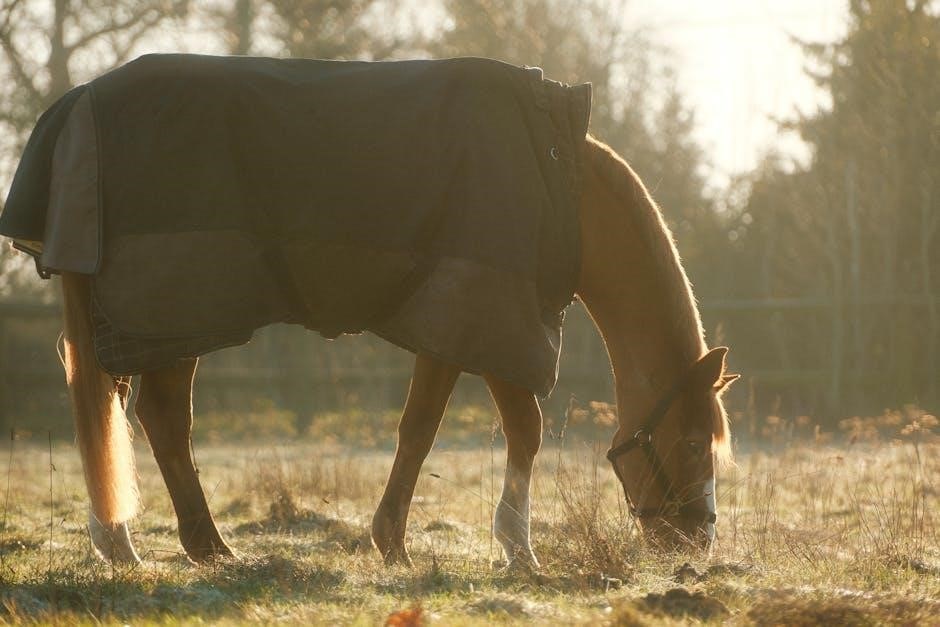
Turnout Blankets: Full Coverage and Waterproofing
Turnout blankets are designed for 24/7 outdoor use, demanding robust waterproofing and full body coverage․ A proper fit allows freedom of movement without compromising protection from the elements․ These blankets typically feature a higher denier fabric for durability and often include features like leg straps to prevent shifting․
Ensure the blanket extends sufficiently forward to cover the chest and back without restricting shoulder movement․ A snug fit around the belly prevents wind and water from entering, while a secure tail cord keeps the blanket in place․ Prioritize a comfortable, yet secure, fit for optimal turnout protection․
Stable Blankets: Indoor Warmth
Stable blankets provide warmth in barns or stalls, differing from turnout blankets in their focus on breathability rather than complete waterproofing․ These blankets are typically lighter in weight and constructed from materials like fleece or quilted nylon․ A secure fit is still crucial, preventing shifting and rubbing, but less emphasis is placed on extreme weather resistance․
Ensure the stable blanket allows for comfortable movement and doesn’t overheat the horse․ Proper sizing prevents the blanket from sliding back and causing discomfort․ Consider the horse’s clipping status and the ambient temperature when selecting the appropriate weight of stable blanket․
Fly Sheets: Summer Protection and Fit
Fly sheets offer protection from biting insects during warmer months, constructed from breathable mesh materials․ Fit is paramount; a snug, but not restrictive, fit prevents flies from entering underneath․ Look for features like belly bands and leg straps to secure the sheet and prevent shifting․
Ensure the sheet covers a sufficient portion of the horse’s body, including the belly and hindquarters․ Proper sizing avoids rubbing on the shoulders or withers․ Consider a fly sheet with a UV protective coating for added sun defense․ Regular checks for wear and tear are essential to maintain effectiveness․
Cooler Blankets: Post-Exercise Drying
Cooler blankets are designed to wick away moisture after work, preventing chills and aiding muscle recovery․ Typically made from absorbent materials like fleece or wool, they allow airflow while providing gentle warmth․ Fit should be snug enough to stay in place during movement, but not constricting․
Ensure the blanket covers the horse’s back and sides adequately․ Look for features like cross-surcingles to secure the blanket and prevent slippage․ Cooler blankets aren’t intended for prolonged wear in wet conditions; they’re best used for the immediate post-exercise cooling period․ Regular cleaning maintains absorbency․
Factors Affecting Blanket Size Choice
Selecting the correct blanket size isn’t solely based on measurements; horse breed and body type significantly influence fit․ Quarter Horses, with their broader builds, may require wider blankets than leaner Thoroughbreds․ Layering blankets for varying temperatures necessitates considering the combined bulk․
If using a blanket over another, size up accordingly to avoid restriction․ A horse’s individual conformation—sloping shoulders or high withers—also impacts fit․ Regularly assess your horse’s blanket fit as weight fluctuates or muscle develops, ensuring comfort and preventing rubs or sores․
Horse Breed and Body Type (QH vs․ TB)
Breed conformation dramatically affects blanket fit․ Quarter Horses (QH), known for their stocky, muscular builds and wider chests, often require blankets with a wider cut through the shoulders to prevent rubbing and allow free movement․ Conversely, Thoroughbreds (TB), typically leaner with more sloping shoulders, may fit better in blankets designed for a more athletic build;
Manufacturers sometimes cater to specific body types; Smartpak, for example, considers these variations․ When choosing, visualize how the blanket will sit on your horse’s unique physique, prioritizing shoulder room and wither clearance․
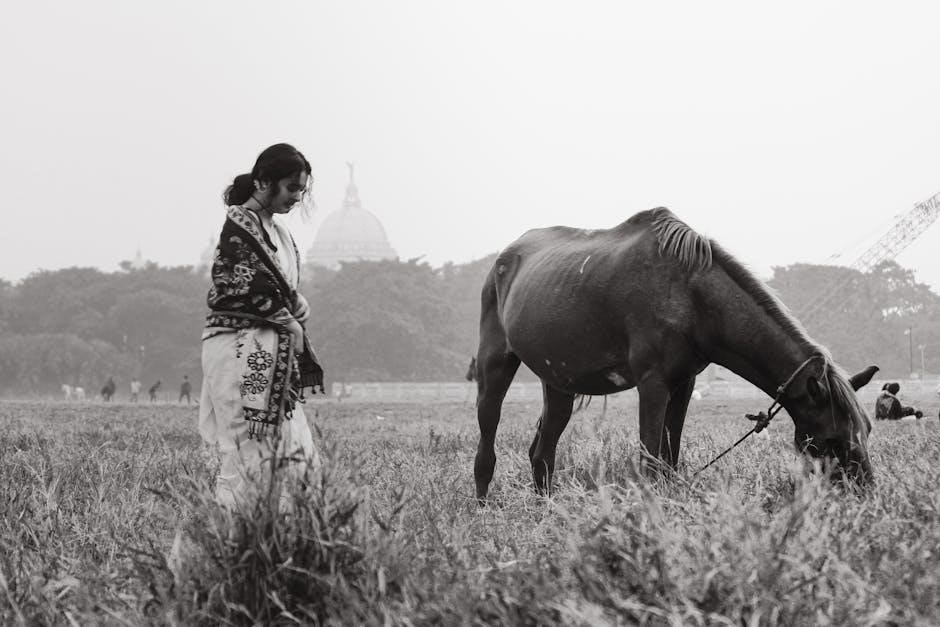
Layering Blankets: Adjusting for Temperature
Layering blankets allows flexible temperature regulation․ Start with a lightweight liner for mild chills, adding medium-weight and heavy-weight blankets as temperatures drop․ When layering, consider increasing blanket size – particularly length – to accommodate the added volume and prevent pulling or restriction․
A common approach is to use a 68” blanket as a base layer, then add a 72” or larger top blanket․ Ensure surcingles and tail cords are properly adjusted to secure the layers and prevent shifting, maintaining comfort and protection throughout fluctuating weather conditions․
Blanket Use: Over Other Blankets
When using a blanket over another, prioritize a larger size to prevent tightness and discomfort․ A blanket intended as an outer layer should be at least two inches longer than the underlying blanket, allowing for unrestricted movement; This is crucial for horses with broader builds or those prone to rubbing․
Consider the combined weight and insulation․ Avoid excessive layering, which can cause overheating and sweating․ Ensure proper fastening of all surcingles and tail cords to maintain a secure fit and prevent slippage, especially during turnout․ Regularly check for pressure points or irritation․
Dealing with Difficult Fits
Some horses present unique fitting challenges․ Those with sloping shoulders often require blankets with a V-front closure to avoid pressure and rubbing․ High withers necessitate blankets designed with a higher cut to prevent pinching․ Careful observation is key; look for any signs of discomfort or sores․
Adjustments like loosening surcingles or utilizing tail cords can improve fit․ Consider adding a fleece wither protector for extra cushioning․ If standard sizes consistently fail, explore custom blanket options․ A properly fitted blanket is paramount for comfort and preventing skin irritation, so don’t hesitate to seek professional advice․
Horses with Sloping Shoulders
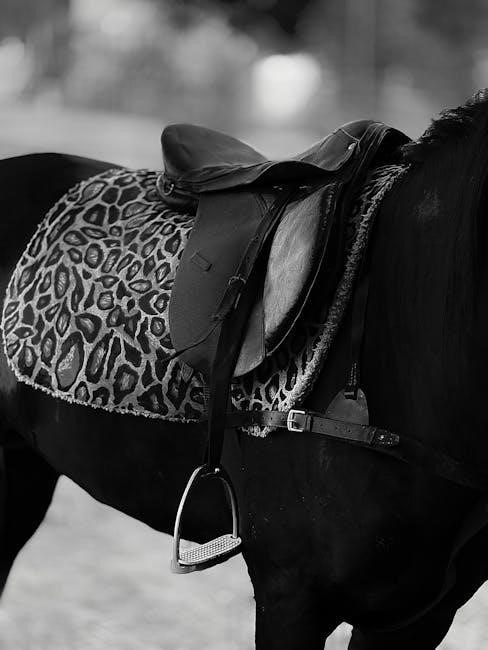
Horses possessing sloping shoulders often struggle with blankets that pull forward, creating pressure and potential rubs․ The blanket tends to slide, restricting movement and causing discomfort․ A key solution is selecting blankets featuring a V-front closure․ This design allows for greater freedom of movement around the shoulder area, preventing constriction․
Ensure the blanket doesn’t sit on the shoulder bone, but rather slightly behind it․ Consider blankets with adjustable chest closures to fine-tune the fit․ Regularly check for any signs of rubbing or irritation, and adjust accordingly․ A well-fitted blanket is crucial for these horses․
Horses with High Withers
High-withered horses require blankets designed to accommodate their prominent shoulder structure․ Standard blankets frequently sit down on the withers, causing significant pressure and potential sores․ Look for blankets specifically marketed as “high-neck” or “high-wither” designs, featuring a raised neckline and more generous shoulder gussets․
These features provide crucial clearance․ Consider blankets with contoured shapes that follow the natural curve of the back․ Regularly check for rubbing, especially during initial use․ Adjustable front closures are essential for a customized fit, ensuring the blanket doesn’t pinch or restrict movement․ Prioritize comfort and prevent injury․
Blanket Fit Adjustments: Surcingles and Tail Cords
Surcingles and tail cords are vital for securing a proper blanket fit, preventing slippage and ensuring coverage․ Surcingles, elastic or fixed straps running under the horse’s belly, stabilize the blanket and prevent forward movement․ Adjust them snugly, allowing a hand’s width between the strap and the horse’s body․
Tail cords prevent the blanket from lifting and exposing the hindquarters․ Attach them loosely to avoid interfering with the horse’s tail movement․ Regularly check for rubbing or irritation caused by these adjustments․ Proper use enhances blanket security and comfort, minimizing the risk of accidents or discomfort during turnout․
Specific Brand Sizing Guides
Smartpak offers a reliable and reasonably priced blanket option, often allowing customers to order two sizes and return one free of charge for a perfect fit․ While size variation between brands isn’t substantial, neck and shoulder fit can differ based on the body type used in their design – a stockier Quarter Horse versus a leaner Thoroughbred․
Consulting individual brand charts is crucial․ Each manufacturer may have unique measurements․ Comparing these charts ensures accurate sizing․ Remember to prioritize a slightly larger size if layering blankets, allowing ample room for movement and preventing restriction․
Smartpak Blanket Sizing Details
Smartpak distinguishes itself with a customer-friendly approach to sizing․ They frequently permit ordering two blanket sizes, enabling a trial period with free return shipping for the unused blanket․ This minimizes guesswork and ensures a comfortable, secure fit for your horse․
Their sizing charts are readily available online and detail measurements for length and girth․ Smartpak blankets are generally considered true to size, but considering your horse’s build – whether stocky or lean – is vital․ Prioritize a slightly larger size if layering is anticipated, allowing freedom of movement․
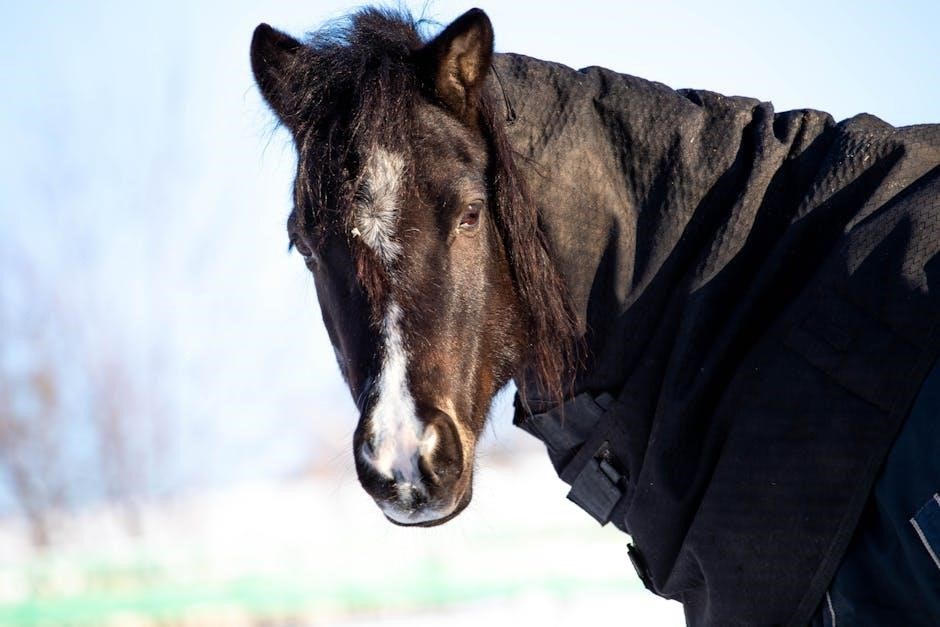
Other Popular Brand Size Charts (Comparison)
Comparing sizing across brands reveals inconsistencies․ While Smartpak offers relatively consistent sizing, brands like Rambo and WeatherBeeta often run larger․ Bucas tends to fit narrower, particularly across the chest․ Therefore, relying solely on a size (e․g․, 78″) isn’t sufficient․
Always consult each brand’s specific chart, noting length and girth measurements․ Consider the horse’s build; a Thoroughbred may require a different size in Rambo versus Bucas compared to a Quarter Horse․ Online resources and customer reviews can provide valuable insights into real-world fit experiences with various brands and styles․
Troubleshooting Common Blanket Fit Issues
Common issues include rubbing, often caused by ill-fitting shoulders or withers․ Check for sores regularly․ Slipping blankets indicate incorrect girth fit – tighten surcingles or consider a blanket with a larger chest coverage․ Neck issues arise from restrictive neck designs; ensure free shoulder movement․
Adjustments like adding a fleece wither pad can alleviate pressure․ Tail cords should allow a hand’s width between the cord and tail․ Regularly inspect blankets for wear and tear, addressing problems promptly to prevent discomfort and maintain protection․ Proper fit is crucial for horse well-being․
Rubbing and Sores: Identifying the Cause
Rubbing typically occurs at the shoulders, withers, or chest, indicating a poor fit․ Ill-fitting blankets create friction, leading to hair loss and eventually, sores․ A blanket too small restricts movement, while one too large shifts and rubs․ Check for pressure points, especially over the withers․
Inspect regularly for redness or open wounds․ Consider a fleece wither pad to cushion pressure․ Ensure the blanket isn’t too tight around the chest․ Adjust surcingles to prevent shifting․ Promptly address rubbing to prevent infection and discomfort, ensuring your horse remains comfortable and protected․
Blanket Slipping: Securing the Fit
Blanket slippage often indicates an improper fit, particularly in the chest or shoulder area․ Ensure the chest straps (surcingles) are snug but not overly tight, allowing a hand’s width of space․ A properly fitted blanket should sit high on the shoulders without sliding forward․
Check the tail cord; a secure attachment prevents the blanket from pulling backward․ Consider a blanket with a larger belly wrap for added security․ Regularly inspect and adjust straps, especially after exercise․ If slipping persists, re-evaluate the blanket’s size and fit, potentially trying a different style․
Neck Issues: Ensuring Comfortable Movement
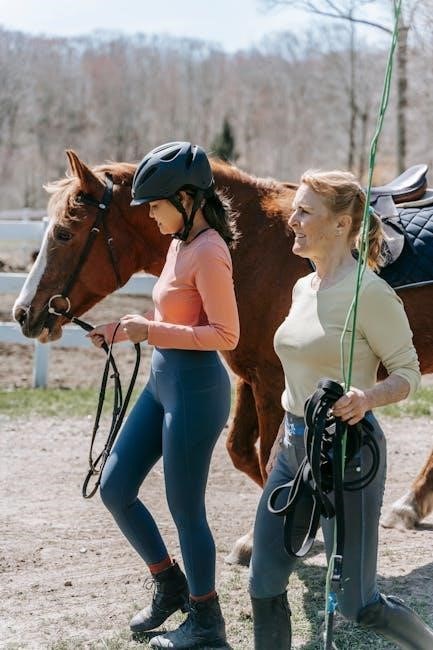
A poorly fitted neck can cause rubbing, sores, or restrict shoulder movement․ The blanket should allow a few inches of clearance at the withers to prevent pressure․ Observe your horse’s range of motion; any hesitation or stiffness suggests a fit issue․
Consider blankets with adjustable neck closures or V-front designs for a more customized fit․ Regularly check for rubs, especially under the mane․ Different brands cater to varying neck conformations (stocky vs․ lean), so experimentation may be needed to find the optimal fit for comfortable grazing and movement․
International Sizing Considerations
Horse blanket sizing isn’t universally standardized; conversions between US and European systems are crucial when purchasing abroad․ US sizes are typically measured in inches (68″, 72″, etc․), while European sizes often utilize centimeters․ A 72″ US blanket roughly equates to a 183cm European size, but slight variations exist․
Always consult the specific brand’s size chart, as conversions can differ․ Be mindful of differing cut styles – European blankets may be wider or have a different neck shape․ When ordering internationally, prioritize accurate measurements and consider potential return shipping costs if the fit isn’t ideal․
Converting Between US and European Sizes
Accurate conversion is vital when sourcing blankets internationally․ Generally, a US 68-inch blanket approximates a European 173cm size․ A 72-inch US blanket typically converts to around 183cm in European measurements, while 76 inches equates to roughly 193cm․ For 80-inch blankets, expect a European size of approximately 203cm, and 84 inches translates to about 213cm․
However, these are approximations․ Brand-specific charts are essential, as cuts and sizing philosophies vary․ Always double-check the manufacturer’s conversion guide to avoid incorrect fits․ Consider a slightly larger size if unsure, allowing for layering․
Resources for Further Information
For detailed assistance, numerous online sizing tools and calculators are available from retailers like Smartpak, offering brand-specific guidance․ Many equine supply websites feature comprehensive sizing charts and FAQs․ Consulting with a veterinarian or experienced equine professional provides personalized advice, especially for horses with unusual conformations․
Online forums and horse-related communities offer valuable insights from fellow owners regarding specific brands and fit experiences․ Don’t hesitate to seek expert opinions to ensure a comfortable and secure blanket fit for your horse, maximizing their well-being throughout all seasons․
Online Sizing Tools and Calculators
Several websites offer convenient online tools to estimate your horse’s blanket size․ Smartpak, a popular equine retailer, provides a detailed sizing guide and calculator based on measurements․ These tools typically require length and girth measurements, offering size recommendations for various blanket styles․
Other retailers may have similar calculators, but accuracy can vary․ Always cross-reference results with the brand’s specific sizing chart․ Remember these are estimations; a physical measurement is always preferred for the most accurate fit․ Utilize these resources as a starting point, but prioritize a proper hands-on assessment․
Veterinarian and Equine Professional Advice
When in doubt, consult your veterinarian or a qualified equine professional․ They can assess your horse’s conformation and provide personalized blanket sizing recommendations․ A vet can identify potential fit issues related to underlying health conditions or anatomical variations․
Experienced equine fitters specialize in blanket and saddle fitting, offering expert advice tailored to your horse’s unique build․ They can observe how the blanket interacts with your horse’s movement and identify areas of potential rubbing or pressure․ Their expertise ensures a comfortable and safe fit, preventing sores and maximizing blanket effectiveness․